What are Indundibular Caries?
Infundibular are only found in the incisors and the maxillary (upper) cheek teeth of horses. There are two infundibular within each cheek tooth which provide additional enamel ridges, aiding the breakdown of food. The infundibulum is a cup or tube-shaped depression, formed of enamel that is located on the surface of the tooth and filled with cementum. Cementum is one of the three dental tissues, the least mineralized and softest of the dental structures.
Caries is commonly known as decay or cavities. It is defined as the destruction of dental tissues caused by bacteria within the mouth. In horses one of the types of decay is known as infundibular caries.
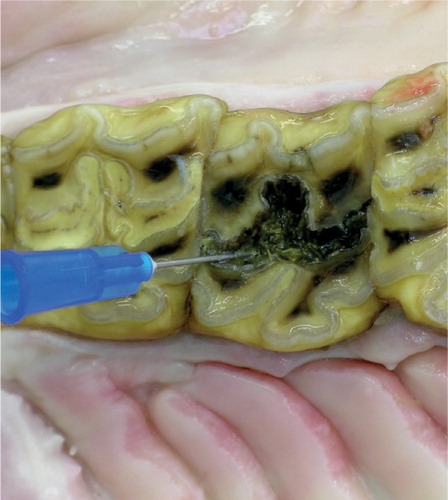
Infundibular caries is described as the erosion/destruction of the cementum-filled cup on the surface of the tooth. This can affect one infundibulum or both and can also affect teeth on an individual basis.
What causes Indundibular Caries?
The infundibular are often affected due to developmental disorders of the tooth such as small lesions, a reduction in cementum density, or absent cementum. These disorders are then exacerbated by bacteria that cultivates within the infundibulum and erodes the cementum. Resulting in Infundibular Caries.
Concentrated feeds can also contribute to infundibular caries. Feeding concentrates increases the PH of the horse’s mouth causing the cementum within the infundibulum to demineralise and break down.
How does Indundibular Caries Affect my Horse?
Infundibular Caries can progress and erode into the neighbouring infundibular enamel and dentine into the adjacent pulp. The pulp is made up of nerves and blood vessels and if exposed can lead to an apical infection. This would bring a great deal of pain and discomfort to your horse and potentially affect their ingestion of food.
Infundibular caries also the ability to weakens the tooth, as a lot of the tooth will be absent. As a result of this weakening and the forces posed throughout the chewing cycle the tooth is predisposed to fractures.
How is Indundibular Caries Treated?
Infundibular caries is treated by restoration or fillings. The decayed material is removed from the tooth and the cavity is filled with an antimicrobial composite material. This process would be carried out by a specialist veterinary surgeon who would also carry out the necessary diagnostics and aftercare.
What can I do to Prevent Indundibular Caries?
Unfortunately, as the cause of the disorder is developmental it is difficult to eradicate. A reduction in concentrated feed, regular dental checks, and flushing are advised.